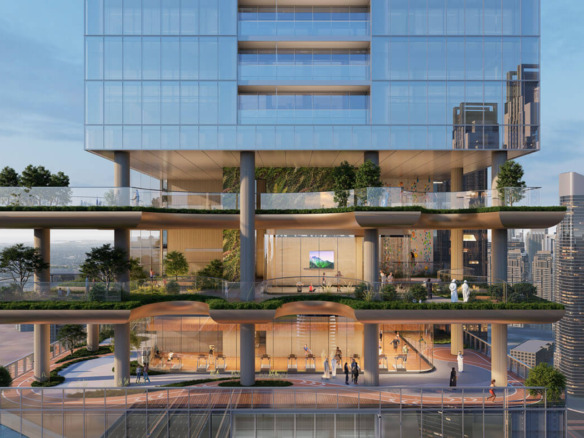
Sobha SkyParks – Luxury Above the Clouds in the Heart of Dubai
United Arab Emirates, DubaiSobha SkyParks is a luxury development on Sheikh Zayed Road, Dubai. One-...
- 1-3 Bedrooms
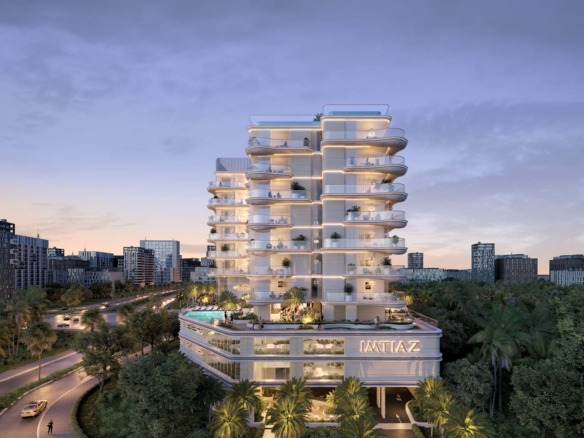
Beach Walk Residence 4 – where every day feels like a vacation
United Arab Emirates, DubaiBeach Walk Residence 4 by Imtiaz Developments brings seaside serenity to the...
- 3 Bedrooms
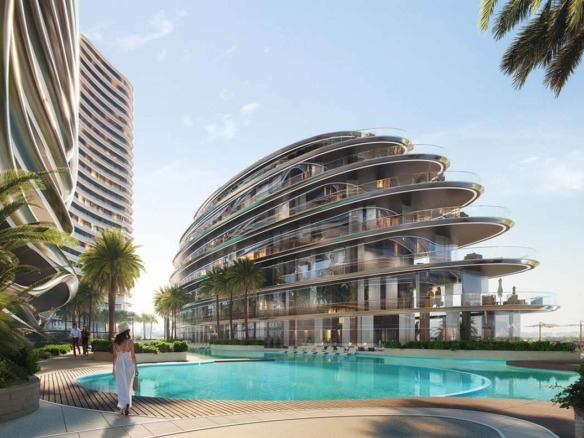
Aquarise – a new symbol of contemporary luxury in the heart of Dubai
United Arab Emirates, DubaiAquarise is a luxury development in the heart of Business Bay, Dubai....
- 1-4 Bedrooms
FAQ
Do I need to be a resident to buy property in Dubai?
No, purchasing property in freehold areas is also possible for non-residents. Owners of properties worth at least 1 million AED may apply for a residence visa valid for 2–5 years.
What are the best areas to invest in Dubai?
- Business Bay – central location next to Downtown, high rental demand and solid returns of approx. 6–7%
- Dubai Creek Harbour – Emaar’s new “mini Downtown” with huge capital growth potential, a marina, metro access and direct connection to Downtown
- Dubai South – the future of Expo City and the new Al Maktoum Airport; low entry prices and high growth potential
- Dubai Hills Estate – Emaar’s green, family-friendly community with stable demand and high resale values
- Dubai Islands & Maritime City – waterfront developments by Nakheel and Omniyat; growing interest in the luxury real estate market
- Meydan / MBR City – central location with high-standard projects (Sobha, Ellington), offering an excellent balance of investment returns and prestige
Most common property purchase fees in Dubai
- DLD Fee (Dubai Land Department) – 4% of property value; mandatory registration fee
- Trustee Office Fee (approx. AED 4,000) – required for DLD transaction registration
- NOC Fee (No Objection Certificate) – AED 500–5,000; issued by the developer confirming no outsanding obligations
- Title Deed Fee (approx. AED 580) – cost of issuing the official ownership documen
On the primary (off-plan) market, buyers do not pay any agent commission and all formalities are handled by the developer and DLD.
What is the difference between off-plan and ready properties?
- Off-plan properties – under construction, usually offered at lower prices and with flexible payment schedule.
- Ready properties – available immediately, often fully finished and ready to move in.
Can non-residents get a mortgage?
Yes, non-residents can obtain a mortgage in Dubai. Banks typically finance 50–60% of the property value, offering flexible repayment terms and attractive interest rates.
What is the process of buying a resale property in Dubai?
- Property Selection – defining location, budget and terms with your agent
- Offer and Acceptance – offer submission and seller approval
- MOU (Memorandum of Understanding) – signing a reservation agreement (Form F)
- Deposit Payment – usually 10% of the property value paid to the trustee account
- NOC (No Objection Certificate) – document from the developer confirming no outstanding obligations
- Ownership Transfer at DLD – completion of the transaction and receipt of the Title Deed
Fees: 4% DLD + approx. 5–8k AED administrative costs.
Process duration: 2–3 weeks.
What is the process of purchasing an off-plan property in Dubai?
- Project and Unit Selection – choosing the developer and specific property (size, floor, view) checking location, construction status and expected return on investment (ROI)
- Reservation and Deposit – submission of an Expression of Interest (EOI) or Booking Form, with approx. 10% of the property value paid into a secure escrow account
- Signing the SPA – signing the Sales & Purchase Agreement (SPA), with details on price, payment schedule, construction deadlines and withdrawal terms
- Payment Schedule – installments: 10–20% at SPA signing, 50–60% during construction, 20–30% at handover
- Registration at DLD – property registered with the Dubai Land Department and issuance of the Oqood Certificate; DLD fee is 4% + approx. 3–5k AED administrative costs
- Finalization – property handover, completion of the final payment and issuance of the Title Deed; the property can then be rented out or resold
- Additional Benefits – eligibility for an investor visa (for properties starting from 1 million AED), no income or property taxes, high ROI (6–9% per year) and protection of funds via the escrow system
Are there property taxes in Dubai?
There is no annual property tax or capital gains tax in Dubai. The buyer only pays a one-time DLD fee (4%) and small community service charges.
Can I rent out my property in Dubai?
Yes, both long- and short-term rentals (such as Airbnb) are allowed. The only requirement for short-term leasing is a holiday home license.